If you are looking for more usable space on your Vermont property, you have probably run into three similar-sounding options: park models, tiny homes, and ADUs. They can all create extra room, but they are not the same when it comes to comfort, permitting, financing, or long-term value.
For homeowners planning a guest house, rental unit, home office, or space for family, a custom Accessory Dwelling Unit (ADU) often makes the most sense. Here is how the options compare, and why Livingston Farm ADUs are built for real year-round use in Vermont.
What is a park model?
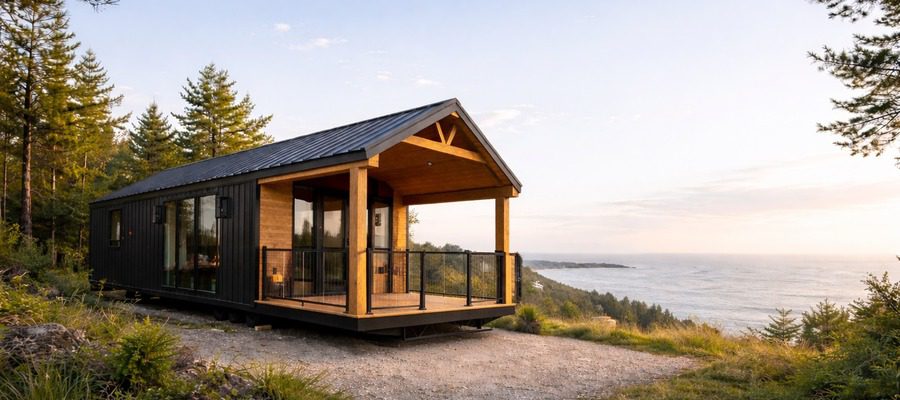
A park model is a small RV-style dwelling, usually built on a trailer chassis and designed for seasonal or extended-stay recreation. Some look like small cottages, but they are typically built to RV standards rather than residential building codes.
- Built on a trailer chassis
- Often used in campgrounds or seasonal settings
- Usually limited to under 400 square feet
- May have limited insulation or climate control
- Can create zoning, financing, and insurance questions for full-time residential use
What is a tiny home?
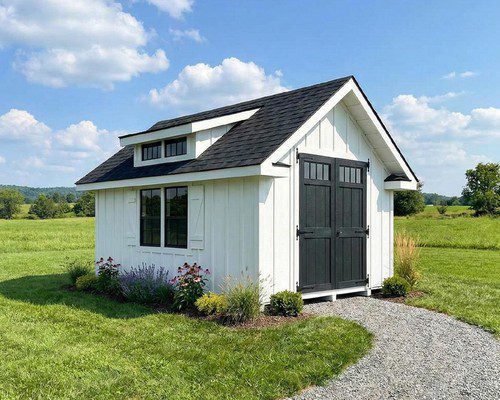
Tiny homes cover a wide range. Some are built on wheels, some are built on foundations, and the quality can vary a lot from builder to builder. That flexibility is part of the appeal, but it can also make the rules harder to navigate.
If a tiny home is not designed around local zoning, utility hookups, code requirements, and year-round weather, it may be difficult to use as a permanent living space. In Vermont, that matters.
What is an ADU?
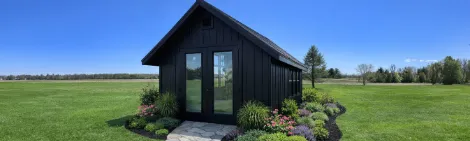
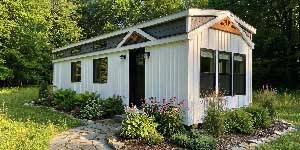
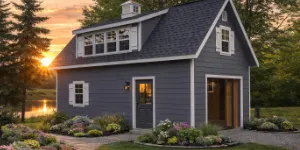
An ADU is a permanent secondary living space on your property. It might be used for visiting family, aging parents, adult children, rental income, a studio, or a quiet work-from-home setup. Unlike most park models, ADUs are meant to function like real residential space.
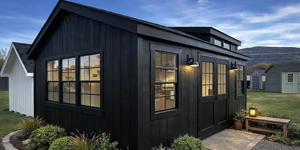
At Livingston Farm, ADUs are customizable, built with residential-grade materials, and designed with Vermont homeowners in mind. That means durability, insulation, good design, and a planning process that starts with how you actually want to use the space.
Park Models vs. Tiny Homes vs. ADUs
| Option | Best for | What to watch |
|---|---|---|
| Park Model | Seasonal getaways or campground-style use | Usually treated as an RV, which can complicate zoning, financing, insurance, and year-round living. |
| Tiny Home | Small-footprint living with flexible design goals | Rules vary widely, especially if it is on wheels or not built to local residential code. |
| ADU | Guest space, rentals, aging-in-place, home offices, or long-term living | Requires planning and local approvals, but is designed as a permanent improvement to your property. |
Why an ADU is usually the stronger long-term choice
1. ADUs are built for permanent living
A park model can be great for a summer retreat, but Vermont is not exactly gentle on buildings. A year-round living space needs proper insulation, weather protection, windows, utilities, and materials that can handle four-season use.
2. You get more design flexibility
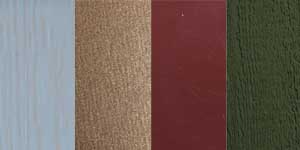
With a custom ADU from Livingston Farm, you can choose the layout, finishes, roof style, siding, windows, and interior features that fit your property. You are not stuck trying to make a one-size-fits-most unit work.
3. Zoning and financing are clearer
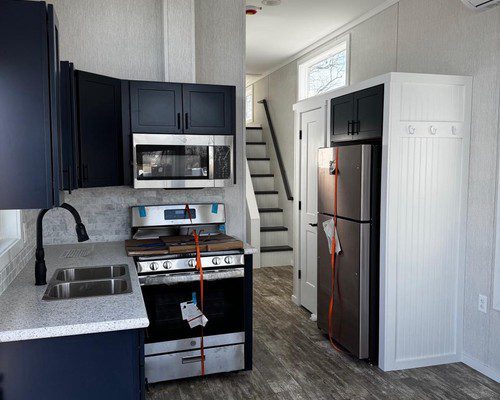
Because park models are typically classified as RVs, they can land in a gray area for full-time use. Tiny homes can be similar, depending on how and where they are built. ADUs are designed as permanent property improvements, which can make approvals, appraisal, and financing conversations more straightforward.
4. ADUs can add lasting property value
A well-planned ADU can support rental income, multigenerational living, or flexible work space while also improving the usefulness of your property. Park models tend to depreciate more like vehicles, while ADUs are built as part of a long-term property plan.
5. Livingston Farm understands Vermont properties
From Bristol and Middlebury to Burlington, Charlotte, and towns across the Green Mountain State, Vermont homeowners need buildings that are practical, durable, and good-looking. Livingston Farm brings the same local knowledge behind our sheds and backyard buildings into ADU planning and delivery.
The bottom line
If you want a seasonal getaway, a park model may be enough. If you want a small-footprint experiment, a tiny home might be worth exploring. But if you want a lasting, comfortable, code-conscious living space on your property, a custom ADU is the smarter investment.
Planning an ADU for family, guests, rental income, or a home office? contact our team or visit the Livingston Farm showroom in Bristol, Vermont. We will walk you through the process from design to delivery.
