If you are a homeowner in Bristol, Middlebury, Burlington, or anywhere across Addison and Chittenden County, you already know Vermont curb appeal is not about palm trees and stucco. It is about stone, wood, and landscaping that looks at home against a Green Mountain backdrop. The right upgrades do not just make your property more enjoyable. They can also be some of the highest-return improvements you make before selling, or simply to enjoy your home more.
Below are five landscaping upgrades Vermont homeowners ask us about most at Livingston Farm, why they work, and what to know before you start.
1. A natural stone walkway or front walk
The path from the driveway to your front door is the first thing a visitor, or buyer, actually walks on. Swapping a cracked concrete walk for natural Vermont stone, such as fieldstone, bluestone, or granite, instantly upgrades the look of a home and signals that it has been well cared for.
Why it adds value: First impressions drive perceived home value more than almost any other single feature. A stone walkway is relatively low-cost compared with other hardscaping projects, but has an outsized visual impact.
2. Stone retaining walls for sloped yards
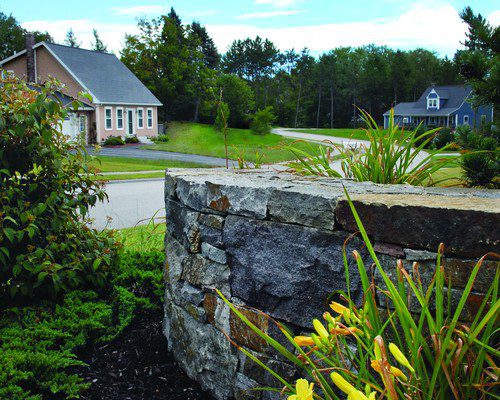
Vermont’s hilly terrain means many properties deal with slopes, erosion, or awkward grade changes near the house or driveway. A well-built stone retaining wall solves the functional problem, including erosion, water runoff, and lost soil, while giving the landscape a built, intentional look.
Why it adds value: Retaining walls are functional infrastructure, not just decoration. Buyers and appraisers recognize that erosion control and usable yard space have real value.
3. A stone or paver patio for outdoor living
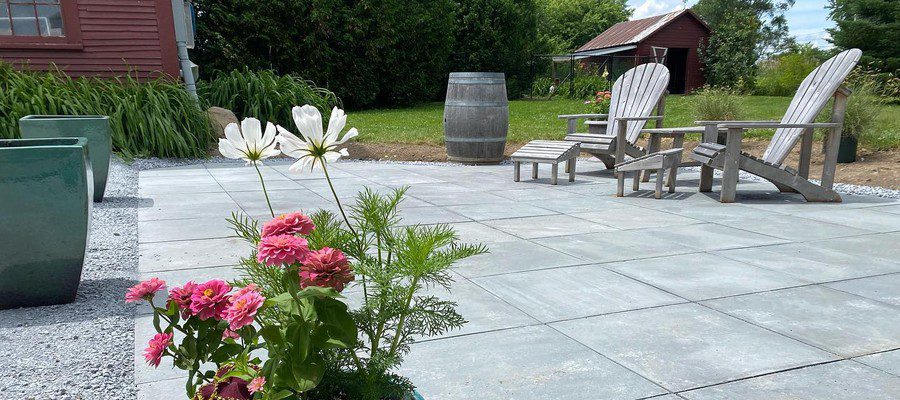
Vermont’s short but glorious outdoor season makes a patio one of the most-used spaces in a home from May through October. A natural stone patio extends your living space, creates a gathering area, and reads as a permanent upgrade rather than a temporary deck addition.
Why it adds value: Outdoor living space consistently ranks among the top features buyers look for. Stone patios age better and require less maintenance than wood decking, which is a big selling point in a climate with harsh winters.
4. Fire pits and stone seating areas
A custom stone fire pit, often paired with a low seating wall, has become one of the most requested features for Vermont backyards. It is a relatively contained project compared with a full patio, but it adds a strong wow factor for entertaining and resale photos alike.
Why it adds value: Fire features photograph beautifully for listings and appeal directly to the lifestyle buyers picture when touring a property. S’mores and bonfires sell houses.
5. Fresh garden beds with stone edging
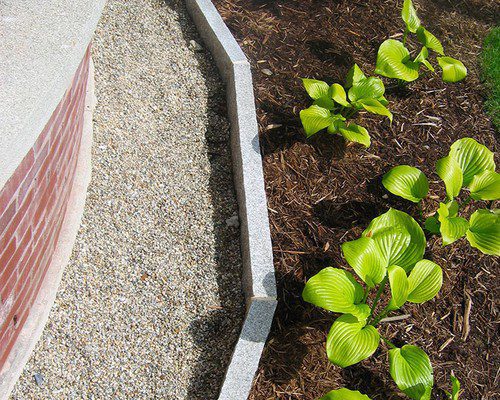
Sometimes the highest-return upgrade is not the biggest one. Clean, stone-edged garden beds along the foundation or driveway instantly sharpen a property’s appearance for a fraction of the cost of a major hardscape project.
Why it adds value: Edging defines space, reduces mulch washout, and gives an otherwise plain yard a finished, professional look. It is often the least expensive fix with the most visible impact.
Choosing the right stone for your Vermont project
Not all stone is created equal, and what works for a walkway will not necessarily work for a retaining wall or fire pit. A few quick guidelines:
- Walkways and patios: Bluestone and quartzite are popular for their slip resistance and natural texture.
- Retaining and seating walls: Granite and larger fieldstone provide the structural weight needed for stacked or mortared walls.
- Fire pits: Heat-resistant stone such as granite is essential. Not all stone holds up to direct, sustained heat.
Frequently asked questions
What landscaping upgrade adds the most home value in Vermont?
Stone patios and walkways tend to offer the best balance of cost and visible impact, since outdoor living space and strong curb appeal are top priorities for buyers in the Vermont market.
Is natural stone better than pavers or concrete for Vermont’s climate?
Generally, yes. Natural stone handles Vermont’s freeze-thaw cycles better than poured concrete and offers a more authentic, long-lasting look than manufactured pavers.
How do I know how much stone I need for my project?
Bring your measurements, or a rough sketch, to the Livingston Farm yard in Bristol, Vermont. Our team can help calculate quantities and recommend the right material for your specific project.
Where can I buy natural stone near Bristol, Vermont?
Livingston Farm supplies locally sourced natural stone for homeowners and contractors throughout Addison County, Chittenden County, and the greater Champlain Valley.
Plan your Vermont landscaping project with Livingston Farm
Whether you are planning a full backyard transformation or a simple garden-bed refresh, our team can help you choose the right stone for your project and budget. Reach out to talk through your plans before your next Vermont landscaping project.
